

Bitcoin ETFs end July in the green despite late-month selling
Spot Bitcoin ETFs attracted $172.4 million in July inflows but remained $5.3 billion negative year to date after heavy withdrawals in May and June.
Spot Bitcoin ETFs attracted $172.4 million in July inflows but remained $5.3 billion negative year to date after heavy withdrawals in May and June.

The xrpld 3.3.0 release is expected next week with five proposed amendments, including two revised features that were previously withdrawn after researchers found bugs that could have allowed unauthorized transactions or fee draining.

Galaxy Research said weak seed generation let an attacker recreate likely private keys offline, sweep more than 1,000 BTC from nearly 1,200 wallets and continue searching without ever accessing the devices.

The largest crypto shrugged off a barrage of bad news this month, but traders remain cautious as rate hike fears and jobs data loom.

Researchers found that fiat conversion costs and payment infrastructure, rather than blockchain fees, accounted for most of the differences in stablecoin remittance costs and settlement times.

BlackRock’s IBIT led $233.1 million in daily inflows as US spot Bitcoin ETFs turned positive for the week and July stayed on track to end in the green.
Samsung and SK Hynix both jumped more than 23%. Bitcoin moved a fraction of a percent in the past 24 hours, and most majors are still lower on the week.
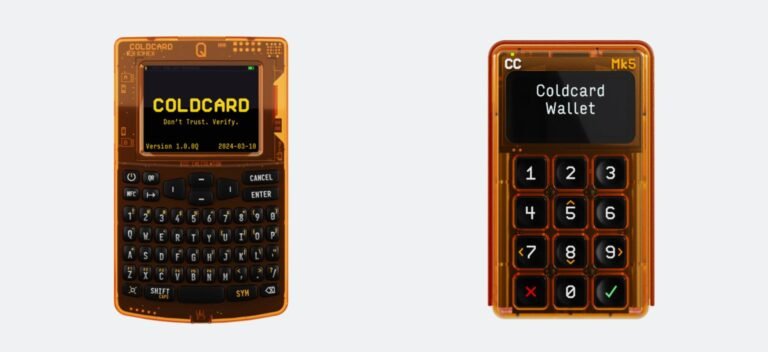
A hardware wallet randomness bug turned “impossible to guess” seeds into guessable ones, and $38 million is already gone.

Institutional investors accounted for 72% of Wintermute’s spot OTC flow in the first half of 2026 as capital clustered in fewer tokens and altcoin rallies became more selective.

Coinkite urged Coldcard Mk3 users to migrate funds after identifying a potential seed-generation risk, as Bitcoin security experts separately examine an unexplained $38 million wallet drain.

US spot Bitcoin ETFs recorded $32.1 million in inflows on Wednesday despite Bitcoin dipping below $64,000, ending a four-session outflow streak.

Price volatility around the Federal Reserve’s rate decision cleared positions for roughly 90,000 traders, with unusually equal losses for bulls and bears.

Four analysts agree the Fed’s hawkish hold changes the calculus for risk assets, but they split on whether bitcoin’s real test is already here or still six weeks away.

Policy report recommends interim licensing guidance, greater flexibility for stablecoin issuers and rules ahead of the Digital Asset Basic Act.

The US Treasury said HormuzSafe accepted Bitcoin and other digital assets to evade sanctions and generate revenue for Iran’s Islamic Revolutionary Guard Corps.

US spot Bitcoin ETFs recorded four straight sessions of outflows totaling $526 million as Bitcoin faced renewed selling pressure after failing to hold $65,000.

Industry participants said stablecoins offer the biggest near-term benefits for cross-border payments, while domestic UK retail adoption is likely to remain limited.

Russia’s FSB says Telegram founder Pavel Durov faces a terrorism-related charge and an international arrest warrant, while a separate French case remains open.
Markets price a hold at Wednesday’s decision, but a real minority sees a surprise hike, with Citadel Securities and UBS among those flagging the risk.

The mark price fell 19% on a single pre-market trade in Korea. The company says its oracle worked exactly as designed.

Binance co-founder CZ backed crypto license passporting across ASEAN to simplify approvals, reduce compliance costs and encourage competition.


The preliminary injunction allows Kalshi and Polymarket US to continue operating in Minnesota while the court considers their challenge to the state law.

Sandbox participation permits supervised testing but does not guarantee full commercial registration.

The HKMA aims to make Hong Kong’s banking sector fully prepared for quantum-related security risks by 2030 as the city expands tokenized finance.

CoinEx’s Jeff Ko sees bitcoin staying range-bound near $65,000 while retreating oil, a 4.7% 10-year yield and a week of mega-cap earnings set the tone.

As estimates for “Q-Day” move closer, experts warn that crypto’s slow governance, not its cryptography, may be the biggest obstacle to defending against quantum attacks.

The stablecoin payments company said client funds were unaffected and that the financial impact would be absorbed through its treasury reserves.

Users reported withdrawal delays and freeze notices as wallets attributed to BitMart fell to about $69 million and its BMX token extended an 81.5% weekly decline.

ETH outperforms BTC, hinting at potential altcoin rally, as the U.S. and Iran hold fire and oil drops.

Binance regularly tests its employees for security hygiene, with social engineering becoming a major source of industry breaches.

While prediction market companies in the US continue to face legal battles between state and federal authorities, Robinhood is reportedly considering expanding its services.

The Bitcoin Policy Institute and three partner organizations will be able to send employees to work alongside State Department officials to address issues including digital freedom.
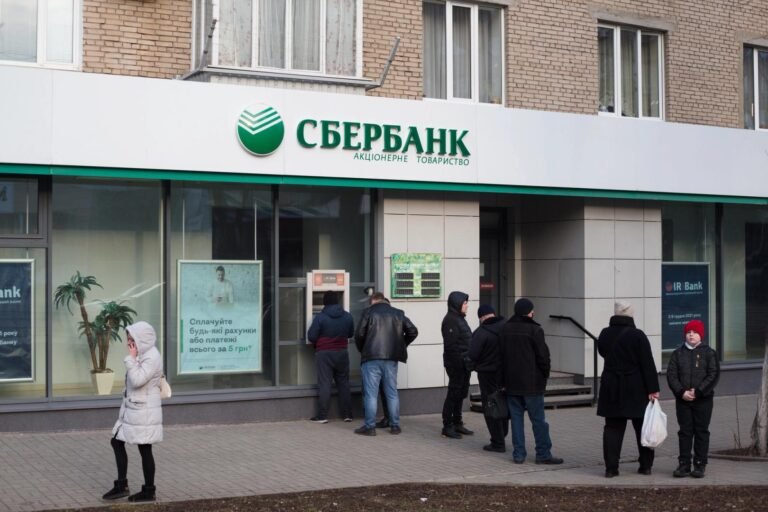
New regulations for crypto trading, custody, and settlement in Russia take effect Sept. 1, with requirements for licensed intermediaries applying from July 2027.

The OCC denied the UK company’s application this week citing AML/CFT risks, despite approving similar charters for digital asset companies in the last year.

The exchange, already sanctioned by the UK, is now on a list of 18 entities “providing crypto-assets services or payment services“ in defiance of the EU’s measures against Russia.

Jan3 CEO Samson Mow says the recovery could signal renewed confidence in preferred-share products used by Bitcoin treasury companies.

According to Senator Elizabeth Warren, the House bill “won’t solve the problem“ of insider trading in Congress as lawmakers will still be allowed to own and sell stocks.
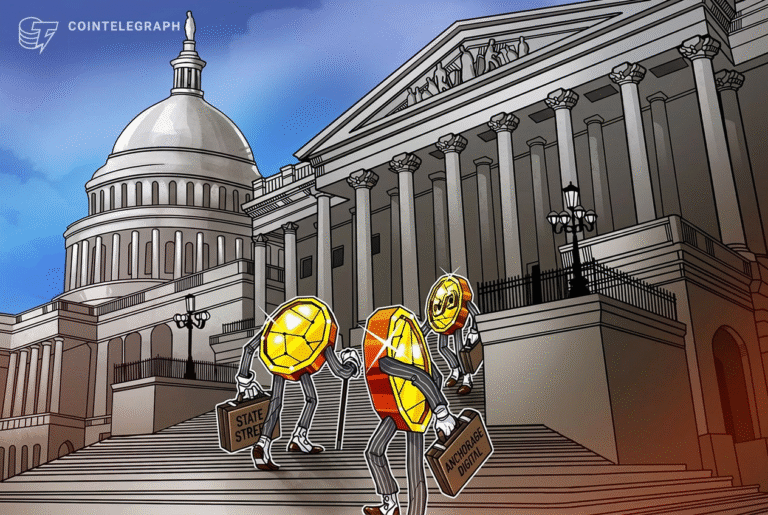
The window for US lawmakers to address a comprehensive crypto market structure bill before the 2026 elections is closing, and industry organizations are calling for action.

Ripple launched an institutional minting platform and added RLUSD to Notabene’s compliance network as holder growth rose but monthly transfer volume fell to $10.95 billion.

The South Korean financial giant says its Korbit – soon to be rebranded as Digital X – is just the starting point for a broader ecosystem that connects RWAs, stablecoins and digital assets.
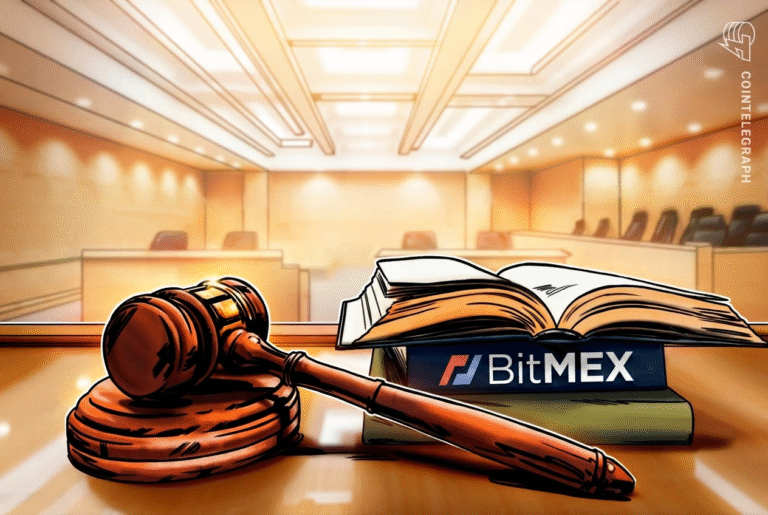
The proposed class action alleges BitMEX used privileged trading access and server freezes to profit from forced liquidations.

The Magnificent Seven had their worst day since April 2025 after Alphabet and Tesla spooked investors on AI spending. Bitcoin fell less than 1%, and dogecoin led the majors lower.

The attacks hit Verus, B² Network and other cross-chain systems, showing how compromised keys, upgrade powers and validation checks can empty protocols without breaking the underlying cryptography.
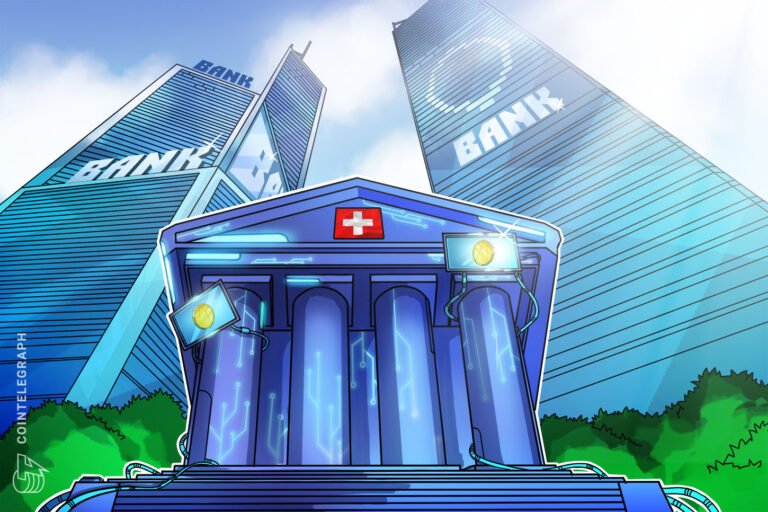
Swiss cantonal bank BancaStato integrated Sygnum’s crypto trading and custody services into its Avaloq-powered digital banking apps for Bitcoin and other assets.

Security firms said the attacker used enough hot-validator signatures to approve a 24.15 million USDC withdrawal, while Arbitrum said its native bridge was not affected.

US officials warn that Chinese firms conducting covert, industrial-scale AI distillation could face sanctions and export restrictions.

OpenAI said the systems had their cyber guardrails lowered for an internal benchmark, but the incident shows how autonomous exploit chains could pose a deeper threat to smart contracts, where losses are final.

Semiconductor stocks led a second day of gains on AI optimism, while the yen slid past 163 per dollar for the first time since 1986.

The attack allowed the exploiter to liquidate multiple Bitcoin-backed vaults before swapping the assets for profit.